
Little Swanport Black Bream Fish Kill Investigation Findings Released
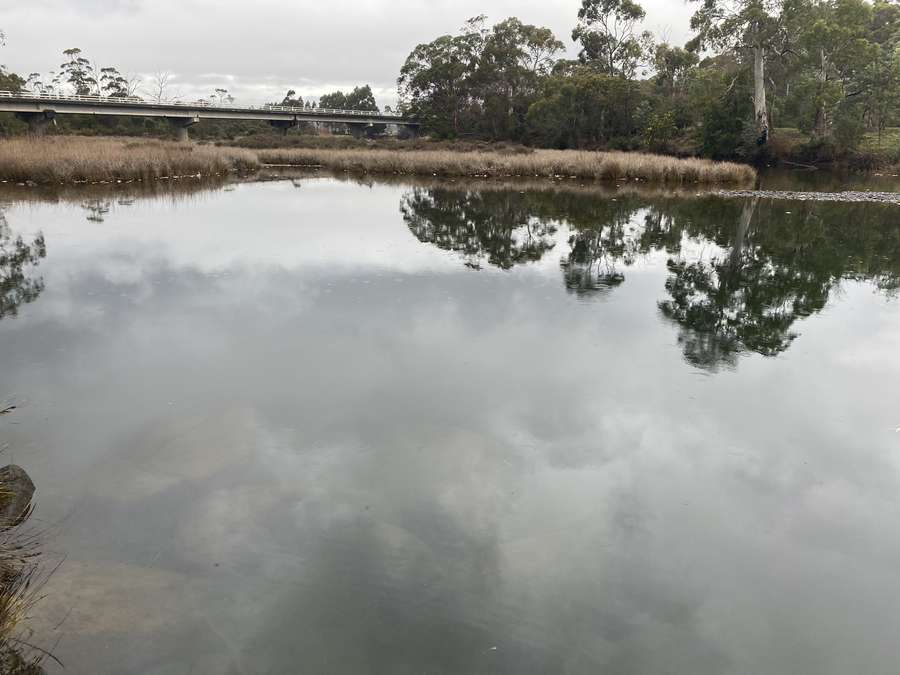
The Inland Fisheries Service (IFS) has compiled the findings of the investigation into the significant fish mortality event reported in the upper estuary of the
Little Swanport River in early September 2026.
The event primarily affected southern black bream (Acanthopagrus butcheri), with dead fish discovered in the upper estuarine reaches of the river and reported to NRE Tas on 3 September 2026. Investigations indicate the mortality most likely occurred between 31 August and 2 September 2026.
A collaborative investigation involving the IFS, Environment Protection Authority, Parks and Wildlife Service, Animal Health Laboratory, Analytical Services Tasmania, Biosecurity Tasmania and NRE Marine Resources examined a wide range of possible causes. Testing and field assessments found no evidence of a contaminant spill, harmful algal bloom or fish disease capable of explaining the mortality event.
The results of the assessment point to a short-term, localised low-oxygen event as the most likely cause of fish mortality. Dissolved oxygen measurements taken near the mortality site were substantially below levels typically considered favourable for estuarine fish. A combination of conditions may have contributed, including prolonged dry weather, very low freshwater inflows, restricted tidal connectivity, and reduced water exchange within the estuary, resulting in lower dissolved oxygen concentrations.
While this explanation is supported by the available evidence, investigators were unable to confirm the cause with certainty because fish and water samples were collected after the likely mortality period, many fish were already in an advanced state of decomposition, and no continuous dissolved oxygen monitoring data were available at the time of the event. While concerning, fish kills resulting from low dissolved oxygen are not uncommon in estuarine systems and have been reported in waterways throughout eastern Australia, including previous events in the Little Swanport estuary and other estuaries in eastern Tasmania.
Many of the fish examined were mature adults, including females carrying developing eggs. One of the dead fish carried an acoustic tag that had been implanted in 2005 by a researcher at the University of Tasmania, indicating it was at least 20 years old. This demonstrates that the Little Swanport estuary supports some long-lived resident black bream and highlights the value of these older fish within the population.
The loss of mature fish is likely to reduce the number of breeding fish available in the short term. However, black bream are a naturally resilient species with a proven capacity to recover from environmental setbacks over time. While the event may influence recruitment and fish numbers in the estuary for several years, the population is expected to continue replenishing through future spawning and recruitment. Encouragingly, large spawning aggregations of black bream were observed in the area in the days and weeks following the mortality event.
The full investigation report is now available and provides a detailed summary of the environmental conditions, scientific findings and management considerations arising from this event.
Read the full report: Little_Swanport_River_Fish_Mortality_Report_September_2026_FINAL.pdf
The IFS thanks local anglers and community members who reported the event and assisted investigators throughout the assessment. Continued observations from recreational fishers provide valuable information that helps improve understanding and management of Tasmania's important black bream fisheries.
